Introduction
Hiring full-time remote developers is no longer an experiment — it’s a core strategy for modern software teams. Startups, scale-ups, and enterprise companies increasingly rely on distributed engineering teams to move faster, reduce hiring friction, and access global talent pools. This shift is driven by the fact that distributed teams enhance operational agility and allow companies to tap into specialized technical skills regardless of geography.
However, not all remote developer hiring platforms operate the same way. Some focus on marketplace speed, others on compliance infrastructure, and others on embedded staff augmentation models. Understanding these differences is critical before committing to a provider.
This guide explains what differentiates top platforms for hiring full-time remote developers, what to look for, and how pricing and integration models compare.
Why Companies Prefer Full-Time Remote Developers
While freelance models work for short-term tasks, many companies prefer full-time remote developers for long-term product stability.
Full-time remote engineers offer:
- Greater ownership of product architecture
- Deeper understanding of internal systems
- Stronger alignment with roadmap priorities
- Reduced onboarding repetition
- More predictable delivery velocity
For infrastructure-heavy products or SaaS platforms, continuity matters. When developers stay embedded long term, institutional knowledge compounds — reducing risk and improving decision quality. When engineers are fully committed to a single product, they contribute more effectively to reducing technical debt and maintaining code quality over time.
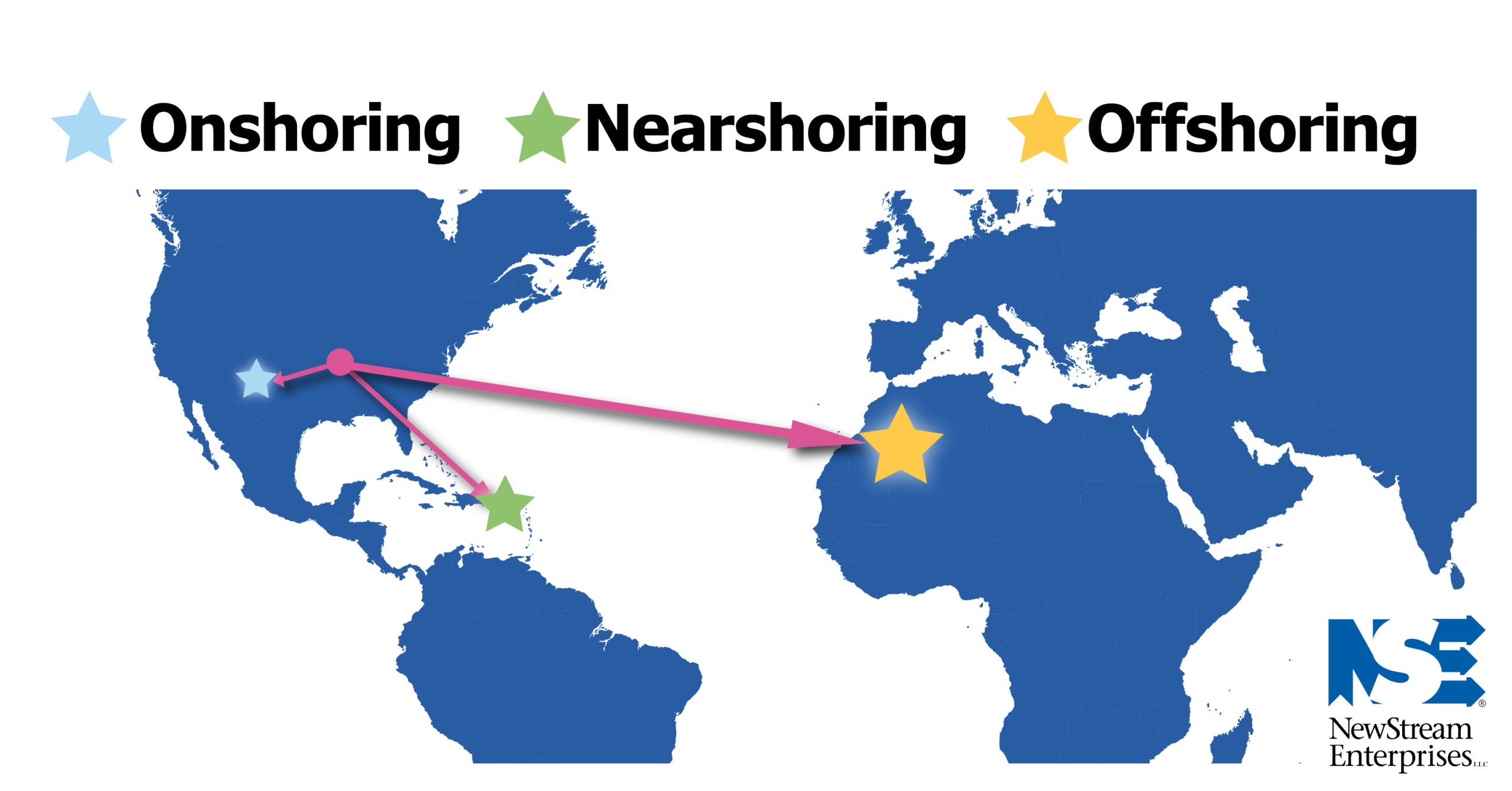
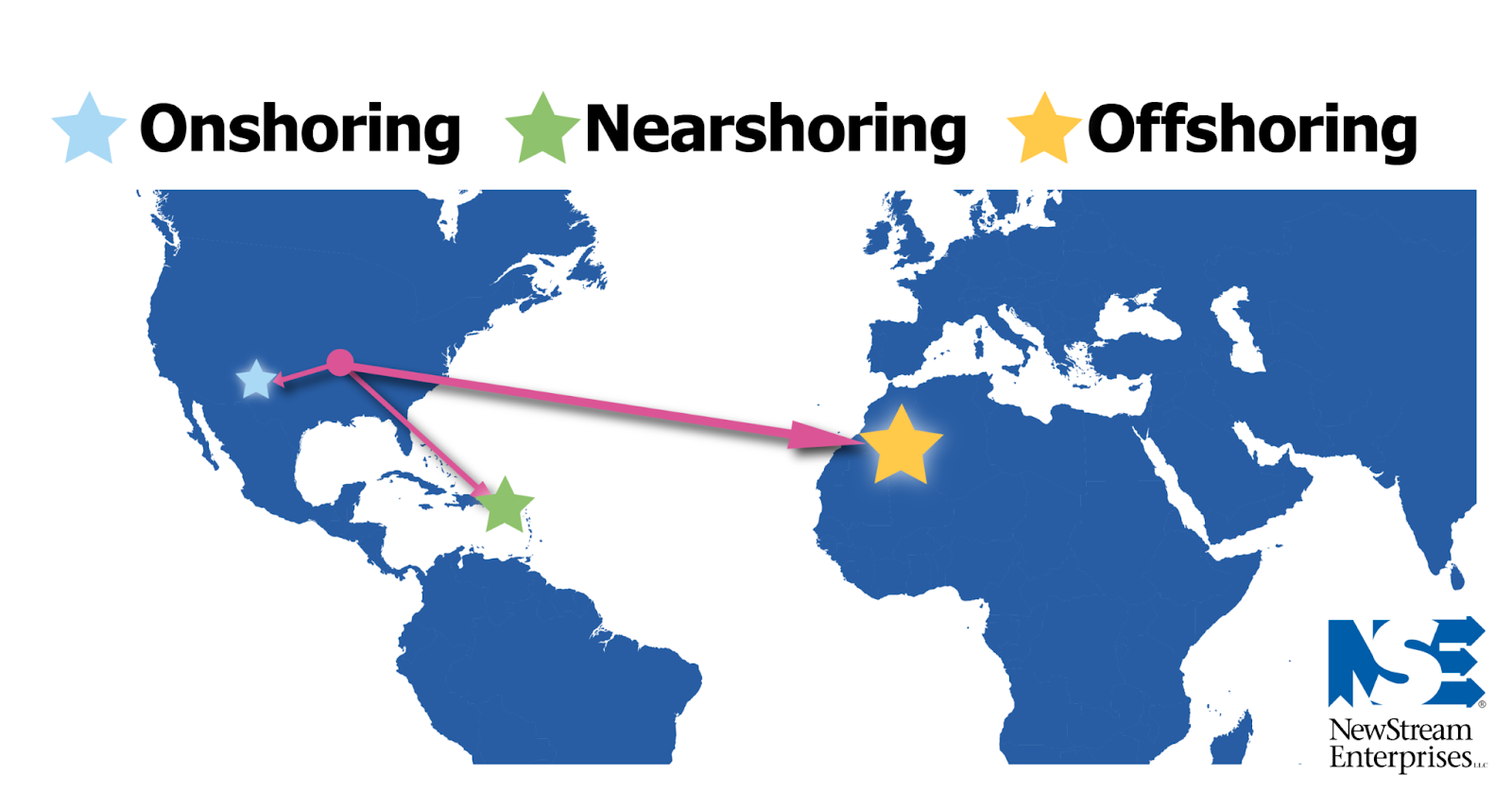
This is especially true for nearshore hiring models, where time zone alignment enables real-time collaboration with U.S.-based product and engineering teams.
What to Look for in a Remote Developer Hiring Platform
When comparing platforms, companies should evaluate more than just cost.
Senior-Level Talent Focus
Hiring full-time remote developers requires production-ready engineers who can operate independently. Look for platforms that prioritize senior engineers with experience in scaling products.
Cultural & Communication Fit
Technical ability alone isn’t enough. Remote developers must collaborate effectively with cross-functional teams. English proficiency, ownership mindset, and responsiveness are critical. Many U.S. startups find this alignment easier by focusing on nearshore software development in Colombia due to time zone and cultural proximity.
Integration Model
Does the developer report directly to your CTO or engineering manager? Or are they managed externally?
Full integration often leads to stronger accountability and long-term retention.
Hiring Speed Without Sacrificing Fit
Fast hiring matters — especially after funding rounds or product launches. However, speed should not come at the expense of technical and cultural alignment.
The strongest platforms balance both.
Contract Flexibility
Full-time remote does not have to mean rigid contracts. Flexible, scalable models allow companies to grow teams responsibly without long-term lock-ins.
Top Platforms for Hiring Full-Time Remote Developers Compared
1. Teilur Talent
Focus: Embedded Staff Augmentation specialized in senior Latin American talent.
Why consider it:
Teilur Talent is designed for startups and scale-ups that want true product ownership and long-term retention. Instead of operating as a marketplace intermediary, Teilur embeds senior engineers directly into the client’s internal team structure. Developers report to your CTO or engineering manager and participate fully in agile ceremonies, architecture discussions, and roadmap planning.
Differentiator:
Its 80/20 Transparent Rate Pricing model ensures that 80% of what the client pays goes directly to the developer. This structure significantly improves retention (often averaging 4+ years) and fosters a strong ownership mindset rather than a temporary contractor dynamic. The result is continuity, stability, and deeper institutional knowledge over time.
2. 10Pines
Focus: High-quality Agile Software Development and Staff Augmentation. Why consider it: 10Pines is widely regarded as one of the most prestigious boutique engineering firms in Latin America. They are ideal for companies that prioritize code quality and architectural integrity over raw volume. Unlike massive agencies, 10Pines focuses on deep technical expertise and long-term partnerships, making them a perfect fit for complex SaaS and fintech products.
Differentiator: Boasting a perfect 5.0-star rating on Clutch, 10Pines is recognized for its "No-Manager" horizontal culture, which fosters extreme ownership among its engineers. This environment ensures that developers aren't just "task-takers" but strategic partners. Their mastery of global intellectual property rights and agile best practices makes them an elite choice for firms seeking reliable, high-seniority remote development.
3. Toptal
Focus: Premium Talent Network (Top 3% of global talent).
Why consider it:
Toptal is well-suited for companies that need elite-level developers for critical initiatives. Its highly rigorous screening process filters for technical depth, communication ability, and problem-solving skills, reducing internal vetting time for hiring managers.
Differentiator:
Toptal offers a risk-free trial guarantee. Companies can begin working with a developer and, if the match isn’t ideal within the first two weeks, Toptal covers the cost and provides a replacement — minimizing hiring risk for urgent roles.
4. Arc.dev
Focus: AI-Powered Remote Hiring Marketplace.
Why consider it:
Arc.dev leverages artificial intelligence to match companies with verified remote developers quickly — often within 72 hours. It supports both permanent full-time hires and contract-based roles, making it flexible for different growth stages.
Differentiator:
Arc combines AI matching with manual code reviews and technical interviews. With an acceptance rate of around 2%, it positions itself as a high-quality marketplace option. The platform is also recognized for transparent developer profiles, including salary expectations and experience details.
5. Terminal
Focus: Remote Teams-as-a-Service.
Why consider it:
Terminal helps companies build fully operational remote engineering hubs in regions such as Canada and Latin America. Rather than simply placing talent, Terminal supports hiring, retention, and distributed team culture development.
Differentiator:
Its integrated talent management platform focuses on long-term developer growth and engagement, which can significantly reduce turnover in distributed teams. Terminal blends high-level recruiting with operational infrastructure to support sustainable remote engineering organizations.
Key Differences Between Hiring Platforms
When comparing these providers, the differences become clearer when viewed through real operational priorities:
1. Embedded Integration vs Marketplace Model
- Teilur Talent and 10Pines emphasize deep integration and long-term collaboration.
- Toptal and Arc.dev operate more as curated marketplaces focused on speed and access.
- Terminal sits in between, offering structured remote hubs with talent management support.
2. Pricing Transparency
- Teilur Talent stands out with a fully transparent 80/20 compensation structure.
- Marketplace platforms may apply blended or opaque markups.
- Boutique firms typically operate with clearer pricing but may not always disclose internal margins.
3. Screening & Seniority Depth
- Toptal and Arc.dev highlight rigorous technical screening (Top 2–3%).
- 10Pines prioritizes senior-level engineers within a boutique model.
- Teilur Talent focuses exclusively on senior profiles aligned with long-term embedding.
4. Compliance & Global Infrastructure
- Platforms like Terminal and marketplace models often include broader distributed team support.
- When hiring across borders, companies must ensure compliance with international labor standards and local data protection regulations. Some platforms include structured compliance support, while others require internal oversight.
5. Retention & Long-Term Continuity
- Transparent and embedded models (such as Teilur’s) typically produce stronger retention because engineers feel fairly compensated and integrated.
- Marketplace models prioritize flexibility and speed, but long-term continuity depends more heavily on internal management.
FAQ
Is hiring full-time remote developers safe for early-stage startups?
Yes — especially when working with platforms that prioritize senior talent and structured integration. Startups benefit most from embedded engineers who operate as part of the internal team rather than as external contractors. For example, models like Teilur Talent’s embedded staff augmentation focus on senior-only profiles, transparent compensation, and deep cultural fit, which significantly reduce early-stage hiring risk.
How quickly can companies hire full-time remote developers?
Timelines vary by platform and specialization. Strong providers can present pre-vetted candidates within days or weeks, particularly in nearshore regions. With firms such as Teilur Talent, validated senior engineers are often introduced within about 5 business days while maintaining both technical and cultural screening standards.
Can remote developers become long-term team members?
Absolutely. Many platforms support long-term embedding or contract-to-hire models, allowing companies to retain high-performing engineers as they scale. Providers that emphasize transparency and retention — such as Teilur Talen
Conclusion
Hiring full-time remote developers is no longer about cost savings alone — it’s about strategic access to global talent, operational flexibility, and long-term product stability.
The right platform depends on your priorities:
- Speed vs. deep vetting
- Marketplace volume vs. embedded integration
- Opaque pricing vs. transparent rate structures
- Managed oversight vs. direct operational control
In the next section, we’ll compare the top platforms for hiring full-time remote developers — analyzing how each model performs in real-world scenarios.
Looking to build your remote team in Latin America without hidden fees or inflated markups?
At Teilur Talent, our Transparent Rate Pricing model ensures you know exactly where every dollar goes — with at least 80% of the rate going directly to the talent. This means fair pay, full visibility, and stronger long-term partnerships that drive real growth. We connect you with vetted, English-proficient professionals in tech, marketing and business ops who are ready to scale your operations seamlessly and cost-effectively.
If you’re ready to experience a smarter way to hire, click here to schedule a free consultation with us.