Nearshore IT outsourcing has become a strategic pillar for U.S. and Canadian companies looking to scale engineering teams efficiently. As remote work normalizes and time zone alignment becomes a competitive advantage,Latin America has positioned itself as one of the most attractive regions for nearshore talent. This shift is supported by the IDB’s latest analysis of science, technology, and innovation, which highlights how the digital economy is strengthening the region's competitiveness.
When searching for the largest nearshore IT outsourcing companies in Latin America, companies are typically looking for scale, reliability, and proven delivery capacity. Large providers promise access to thousands of engineers, structured processes, and the ability to support complex, multi-team environments.
But size alone does not guarantee the right fit. Understanding what “large” actually means in nearshore outsourcing is essential before making a decision.
What Makes a Nearshore IT Outsourcing Company “Large”
In the context of nearshore outsourcing, “large” typically refers to providers with:
- Thousands of engineers across multiple Latin American countries
- Established U.S. headquarters or strong North American presence
- Multi-industry delivery experience (Fintech, Healthtech, SaaS, Enterprise)
- Mature compliance, payroll, and legal infrastructure
- The ability to scale multiple teams simultaneously
Large nearshore companies often operate delivery centers in countries such as Mexico, Colombia, Brazil, Argentina, and Costa Rica. They combine geographic proximity with structured HR and compliance systems that allow companies to expand without opening local entities. While large firms offer breadth, many companies are finding that the best nearshoring companies for U.S. startups are those that offer a more tailored approach to specific technical needs.. These large-scale operations often align with the OECD Guidelines for Multinational Enterprises on Responsible Business Conduct, ensuring that cross-border operations meet international standards for transparency and labor rights.
However, size can also introduce complexity. Larger organizations may rely on standardized processes that limit customization or flexibility, especially for early-stage startups.
Benefits and Tradeoffs of Large Nearshore Providers
Benefits
- Scalability
Large firms can quickly allocate multiple engineers or entire teams for high-growth environments. - Operational Infrastructure
Established compliance, payroll management, and security protocols reduce administrative burden. - Industry Experience
Broad client portfolios often mean exposure to enterprise-grade security, DevOps, AI, and cloud modernization projects. This exposure ensures that when you use nearshore staff augmentation, you are bringing in professionals who understand the pace and standards of North American markets. - Risk Mitigation
Larger companies tend to have structured onboarding processes, redundancy systems, and resource backup options.
Tradeoffs
- Less Personalization
High-volume recruiting models may prioritize speed over cultural nuance. - Opaque Pricing Structures
Some large firms operate with blended rates or hidden agency margins.
Potential Talent Rotation
Large talent pools sometimes lead to reassignment or turnover if not carefully managed. Research from the World Economic Forum on the Future of Jobs suggests that in high-demand tech sectors, long-term stability increasingly depends on transparent engagement models and continuous upskilling.
Largest Nearshore IT Outsourcing Companies in Latin America
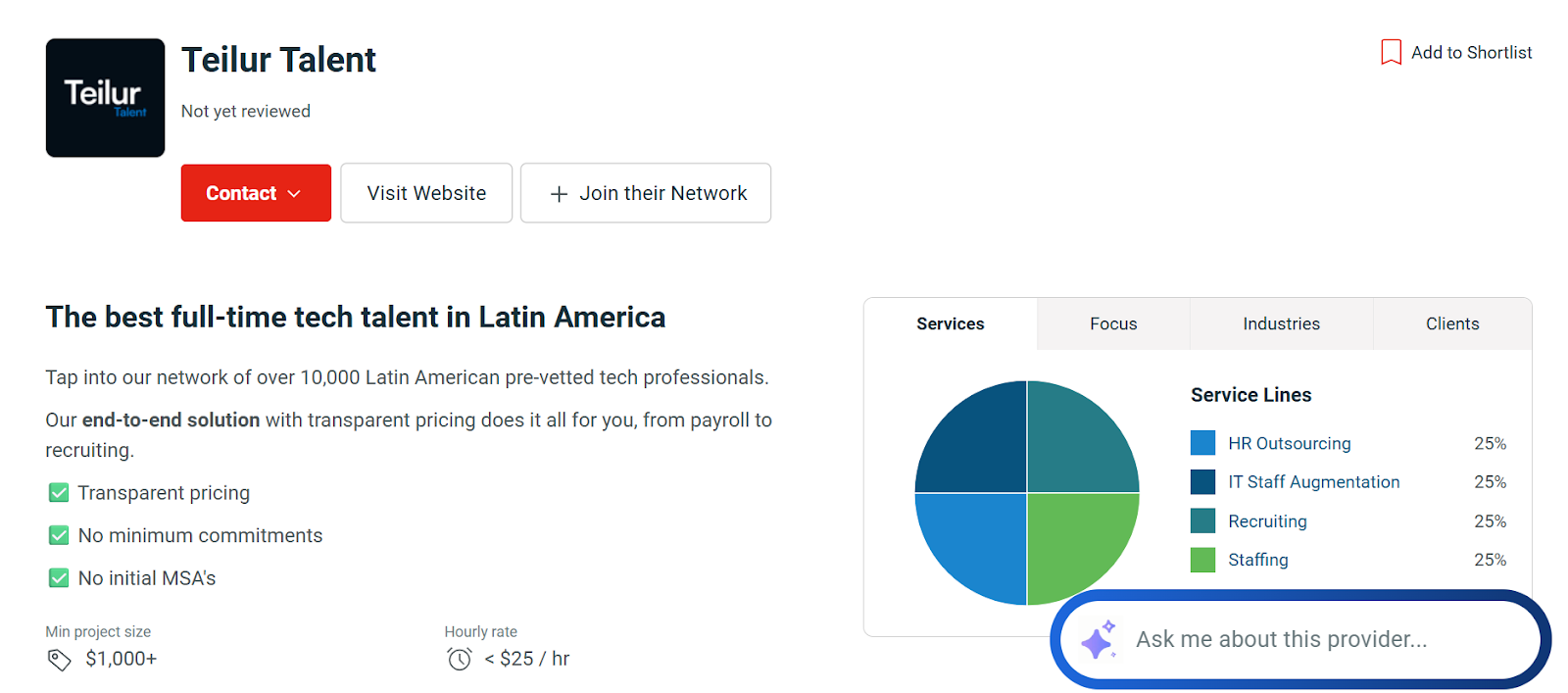
1. Teilur Talent
Focus: Transparent nearshore staff augmentation for startups and scaling teams
While the companies above represent large-scale outsourcing operations, Teilur Talent offers a different nearshore model built around transparency and embedded collaboration.
Real Transparency:
Unlike the opaque pricing structures often associated with large enterprise firms, Teilur clearly discloses how compensation is distributed. Developers receive the majority of the engagement value, which significantly reduces talent rotation and improves long-term stability—an important factor for engineering infrastructure continuity—especially critical for AWS environments. Our commitment to this stability is rooted in what is Transparent Rate Pricing?, ensuring a fair deal for both the company and the talent.
Speed of Integration:
Instead of multi-layered bureaucratic hiring cycles, validated senior candidates are typically presented in an average of 5 days, accelerating team scaling without sacrificing technical or cultural fit.
Operational Control:
Teilur does not operate under a traditional “project delivery” model where visibility is limited. Instead, it provides Staff Augmentation, meaning engineers report directly to your CTO or engineering leadership and function as integrated internal team members.
This model is often preferred by startups and growth-stage companies that want nearshore scalability while maintaining direct oversight and long-term engineering ownership.
2. Globant
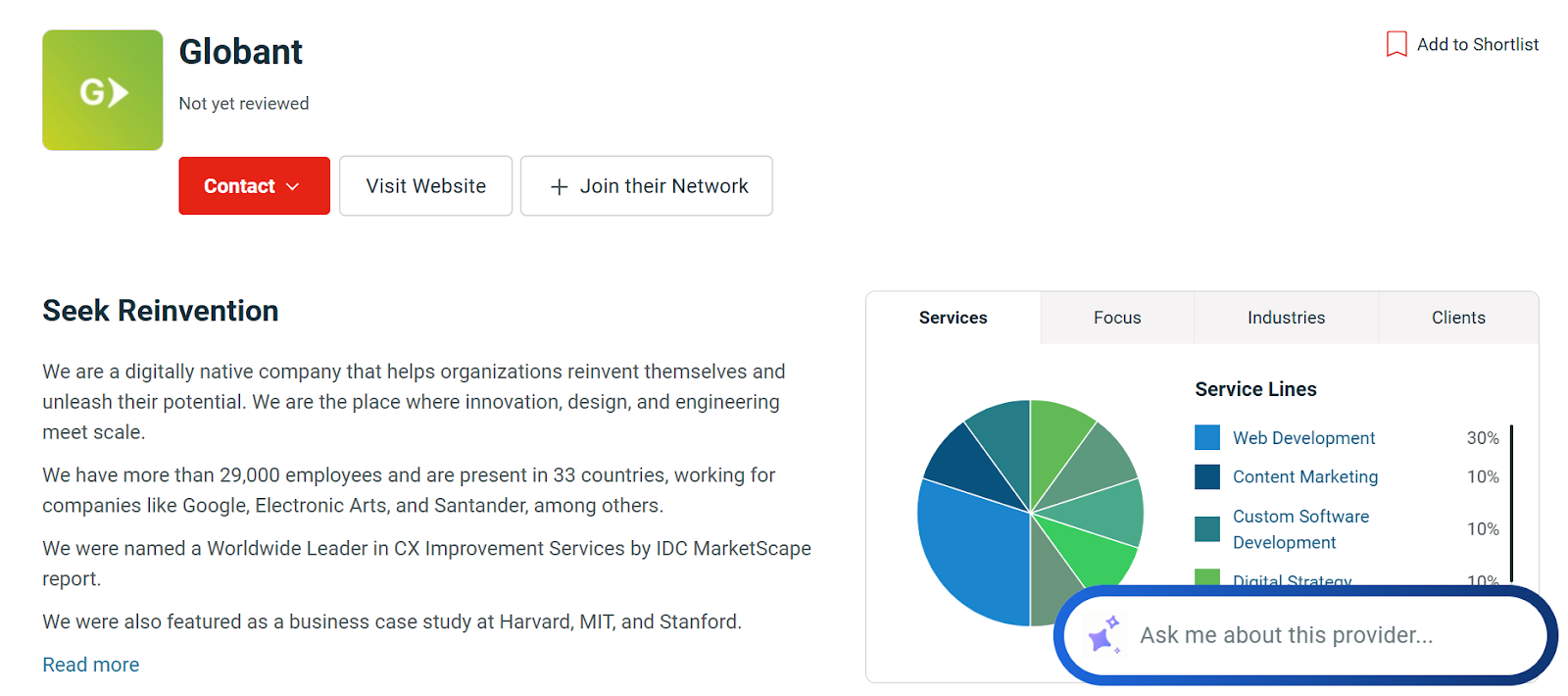
Focus: Digital and cognitive reinvention at global scale
Globant is widely recognized as Latin America’s tech “decacorn,” operating as one of the largest nearshore IT outsourcing companies in the region. The company specializes in large-scale digital transformation, combining software engineering, AI, cloud modernization, and product innovation for enterprise clients worldwide.
Differentiator:
Globant’s “Studio Model” organizes thousands of engineers into deep specialization units (AI, Gaming, Cloud, Data, etc.), allowing enterprise clients to access highly focused expertise within a large-scale organization.
Scale Verification:
As of its 2025 reporting, Globant confirmed more than 30,000 employees and presence in 35+ countries, reinforcing its position as one of the largest global nearshore players.
3. Softtek
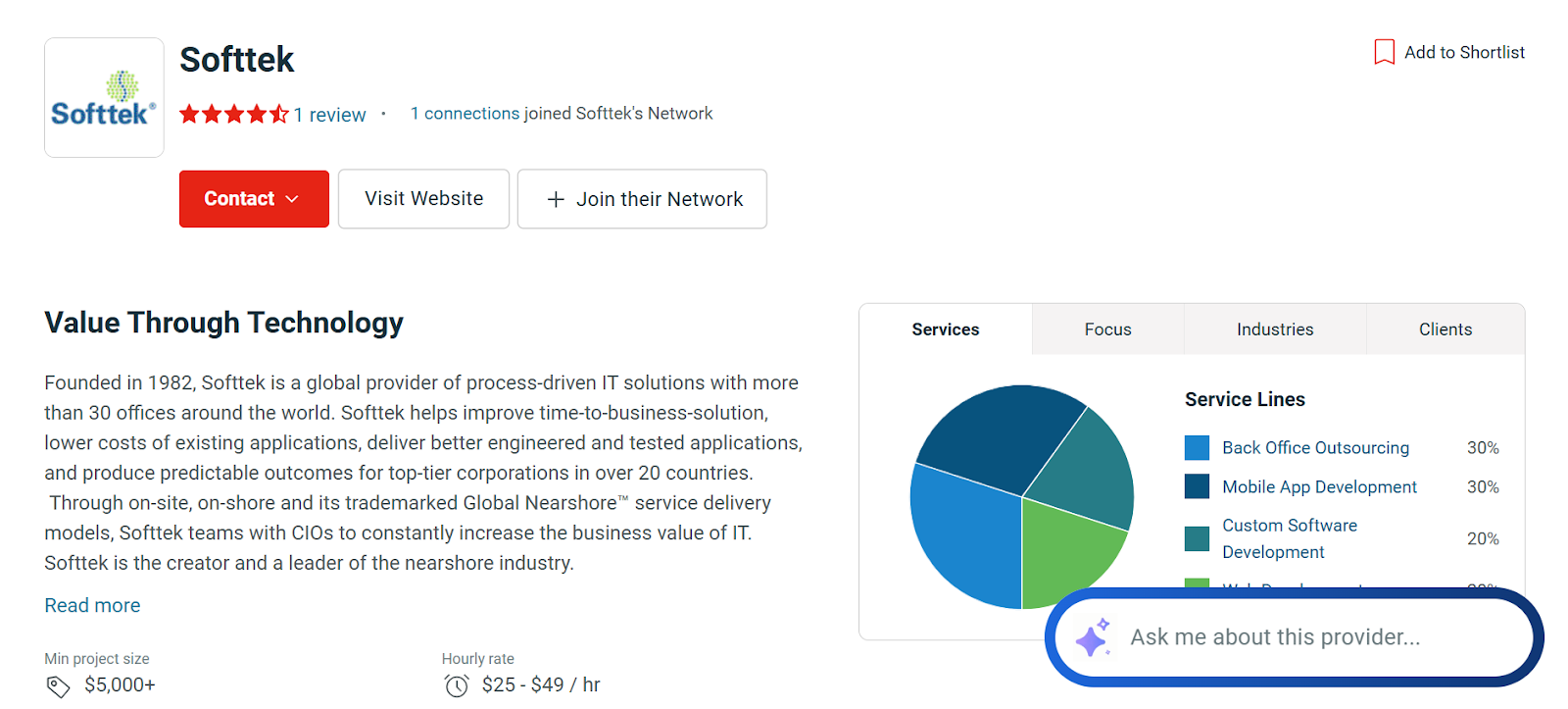
Focus: Industrial IT processes, SAP, and legacy modernization
Softtek is considered the largest privately held IT company in Latin America and a pioneer of the “Nearshore” model—having trademarked the term in the 1990s. It has long served Fortune 500 companies seeking cross-border IT delivery.
Differentiator:
Strong capabilities in industrial-scale processes, SAP implementation, and modernization of legacy enterprise systems. Softtek is often chosen by large corporations needing structured, process-driven delivery.
Scale Verification:
Recent 2024/2025 data places Softtek at over 15,000 global employees, maintaining its position as one of the region’s largest IT service providers.
4. CI&T
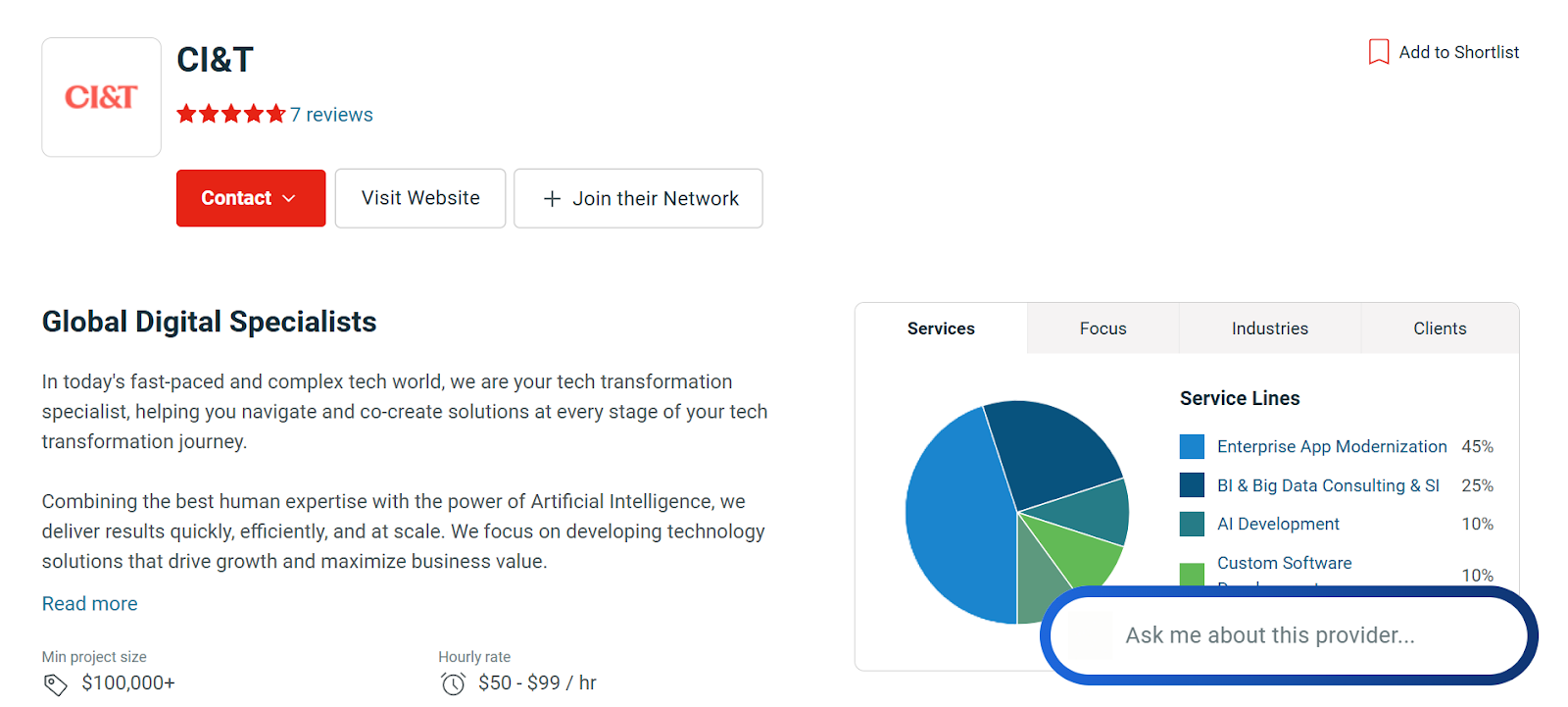
Focus: Lean and Agile-driven digital transformation
CI&T is a Brazilian powerhouse that has expanded aggressively through acquisitions while strengthening its global delivery footprint. The company focuses on building digital products for financial services, consumer brands, and enterprise clients.
Differentiator:
Deep expertise in Lean and Agile methodologies combined with strong digital transformation capabilities, particularly in highly regulated sectors.
Scale Verification:
Public financial reports from late 2025 show stable revenues and a workforce exceeding 6,000 professionals, positioning CI&T among the largest and most stable nearshore engineering firms.
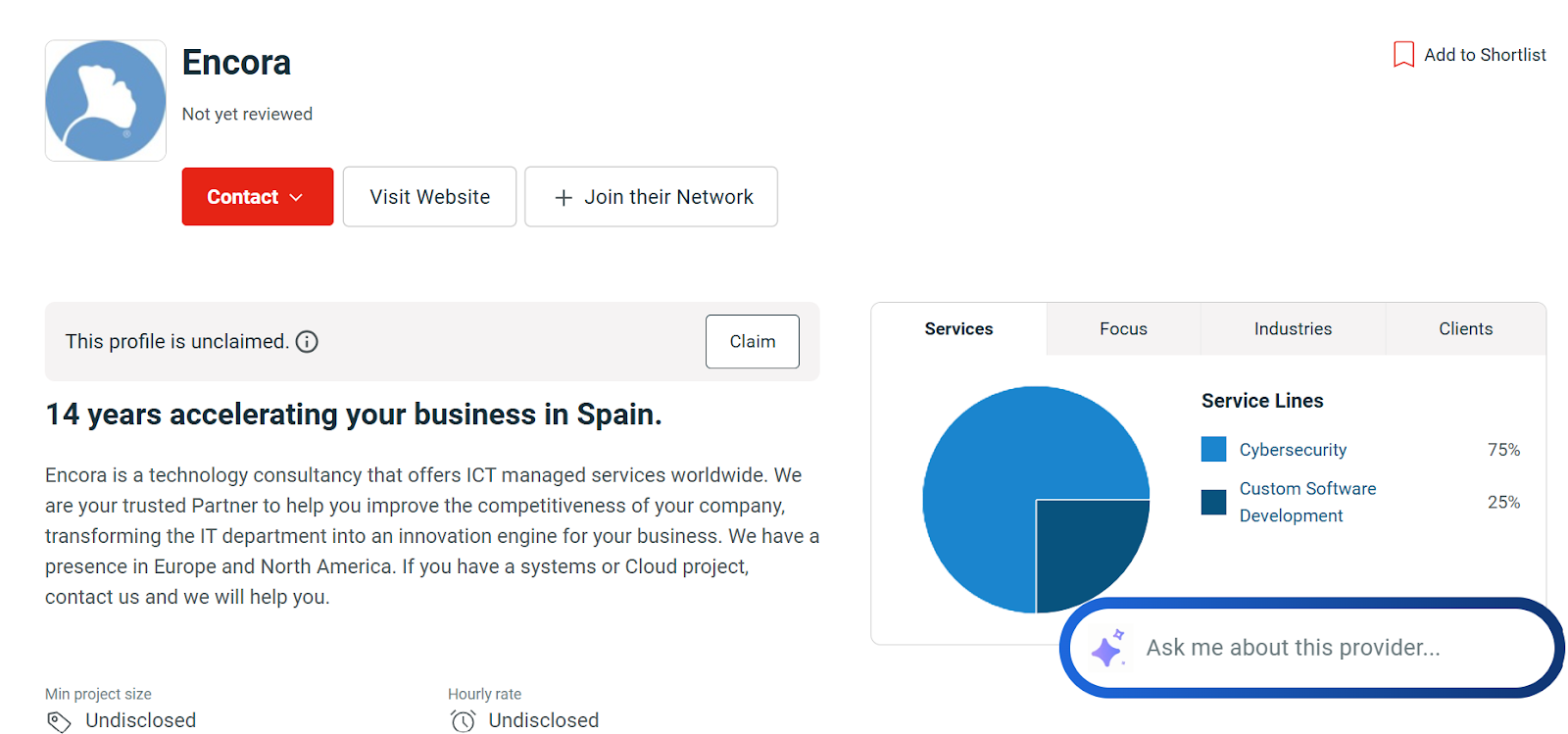
5. Encora
Focus: Product engineering for high-growth companies
Encora has built a strong presence across Mexico and Central America, specializing in product engineering for growth-stage and enterprise companies. It combines nearshore engineering with structured delivery methodologies.
Differentiator:
Its “Extended Delivery Center” (EDC) framework allows seamless integration with U.S.-based teams, enabling distributed collaboration while maintaining operational structure.
Scale Verification:
Encora has been listed as a leader in multiple 2025 software engineering service quadrants, reinforcing its credibility in the nearshore product development space.
How to Choose the Right Nearshore Partner
When evaluating the largest nearshore IT outsourcing companies, size should not be the only filter. Consider the following:
- Talent Seniority
Ensure engineers have hands-on production experience in modern stacks. To better understand how seniority impacts your budget, it’s helpful to review how much it costs to hire a software developer in LATAM across different experience levels. - Cultural & Communication Fit
Time zone overlap matters, but so do English proficiency and collaboration style. - Integration Model
Determine whether the provider offers project outsourcing, managed services, or embedded staff augmentation. Embedded models often provide stronger long-term alignment. - Pricing Transparency
Understanding how rates are structured is critical for retention and budget predictability. Transparent compensation models typically result in lower turnover and stronger team commitment. - Flexibility
Look for scalable contracts that allow you to expand or reduce team size as product roadmaps evolve.
For many startups and scale-ups, the ideal nearshore partner is not simply the largest provider—but the one that balances scale with control and transparency.
FAQ
Are the largest nearshore IT outsourcing companies always the best choice?
Not necessarily. Large providers offer scalability and infrastructure, but companies should also evaluate transparency, cultural alignment, and retention models. For example, boutique nearshore partners like Teilur Talent combine senior-level expertise with a transparent pricing structure, which can result in stronger long-term team stability compared to volume-driven firms.
Do large nearshore firms offer flexible contracts?
Some do, but flexibility varies significantly. Many large providers operate under structured engagement models. Companies that prioritize adaptability often explore nearshore partners such as Teilur Talent, which offers month-to-month staff augmentation designed to scale alongside startup and scale-up growth cycles.
Can large nearshore companies support enterprise-level security and compliance?
Yes. Most established providers operate under strong compliance frameworks. However, companies that require embedded senior engineers with direct operational control may prefer a nearshore staffing partner like Teilur Talent, where engineers integrate directly into internal workflows rather than operating as an external delivery unit. Integrating senior talent directly ensures adherence to the AICPA’s SOC 2 framework, which remains the global benchmark for security, availability, and processing integrity.
Conclusion
The largest nearshore IT outsourcing companies in Latin America offer significant advantages in scale, infrastructure, and industry reach. For enterprises building multi-team operations, this level of capacity can be essential.
However, the best nearshore decision is rarely based on size alone. Companies that prioritize transparency, senior-level expertise, cultural alignment, and flexible engagement models often achieve stronger long-term results than those focused solely on brand scale.
In nearshore outsourcing, scale matters—but structure, retention, and alignment matter more. If you are preparing to scale your infrastructure, we recommend using the ultimate outsourcing and nearshoring DevOps checklist to evaluate your readiness for an integrated nearshore team.
Looking to build your remote team in Latin America without hidden fees or inflated markups?
At Teilur Talent, our Transparent Rate Pricing model ensures you know exactly where every dollar goes — with at least 80% of the rate going directly to the talent. This means fair pay, full visibility, and stronger long-term partnerships that drive real growth. We connect you with vetted, English-proficient professionals in tech, marketing and business ops who are ready to scale your operations seamlessly and cost-effectively.
If you’re ready to experience a smarter way to hire, click here to schedule a free consultation with us.