If you're considering hiring a data analyst, you might be wondering how much it will cost in 2025. The costs can vary greatly depending on factors such as skills, location, and industry, whether you’re hiring for a junior, mid-level, or senior position. This guide breaks down the average salaries and hourly rates for data analysts and explores the key factors that influence hiring costs.
In general, the cost to hire a data analyst depends on the skills and expertise you require. Junior analysts may charge a lower rate, while more experienced or specialized professionals will command higher fees. Additionally, hiring from different regions can impact the overall cost—remote data analysts from areas with lower living costs may offer competitive rates while still providing high-quality work.
Why Hire a Data Analyst?
For a company in the United States, hiring a data analyst is a key investment in making informed, data-driven decisions. These professionals transform large volumes of raw information into valuable insights that optimize processes, improve efficiency, and discover new opportunities. For instance, at an e-commerce company, a data analyst can analyze customer purchasing behavior, suggest ways to boost conversions, and predict sales trends.
Additionally, data analysts can help US companies improve operational efficiency and ensure regulatory compliance in regulated industries. While hiring local analysts offers advantages, such as knowledge of the U.S. market, companies are also turning to remote talent, especially in regions such as Latin America. This allows companies to obtain analyses of the same quality as domestic ones at a significant cost savings without compromising performance or results.
How Much Does It Cost to Hire a Data Analyst?
Hiring a data analyst can be a significant investment, but it can also save your business money in the long run by providing insights that improve efficiency and profitability.
Average Hourly and Monthly Rates Globally
Estimates for global market rates are based on aggregated data from job platforms (Glassdoor, Indeed, and Payscale) and industry salary reports.
- Junior Data Analysts: Junior analysts generally charge between $25 to $45 per hour, or around $3,500 to $4,000 per month.
- Mid-Level Data Analysts: With a few years of experience, these analysts typically charge between $50 to $80 per hour, or about $5,000 to $6,000 per month.
- Senior Data Analysts: Experienced data analysts with specialized skills can charge anywhere from $100 to $150 per hour, or $7,000 to $8,000 monthly.
These rates are general estimates, but your specific project requirements will influence the final cost.
How We Estimated These Rates
To provide accurate and realistic cost expectations, we based our rate estimates on:
- Market salary data from the U.S., Latin America, and Asia (including Glassdoor, Payscale, and regional salary surveys).
- Teilur Talent’s internal benchmarks, built from reviewing thousands of data analyst applications and placing talent across multiple industries.
- Client-reported averages from companies hiring analysts for e-commerce, finance, SaaS, and operations teams.
- Seniority-level expectations, including proficiency in SQL, Python, BI tools, and statistical modeling.
These sources allow us to present rate ranges that reflect real hiring conditions in 2025, giving companies a reliable framework for budgeting and comparison across regions.
Cost Comparison by location
Rates can vary significantly depending on the region where you choose to hire, and understanding these differences can help you make smarter budget decisions.
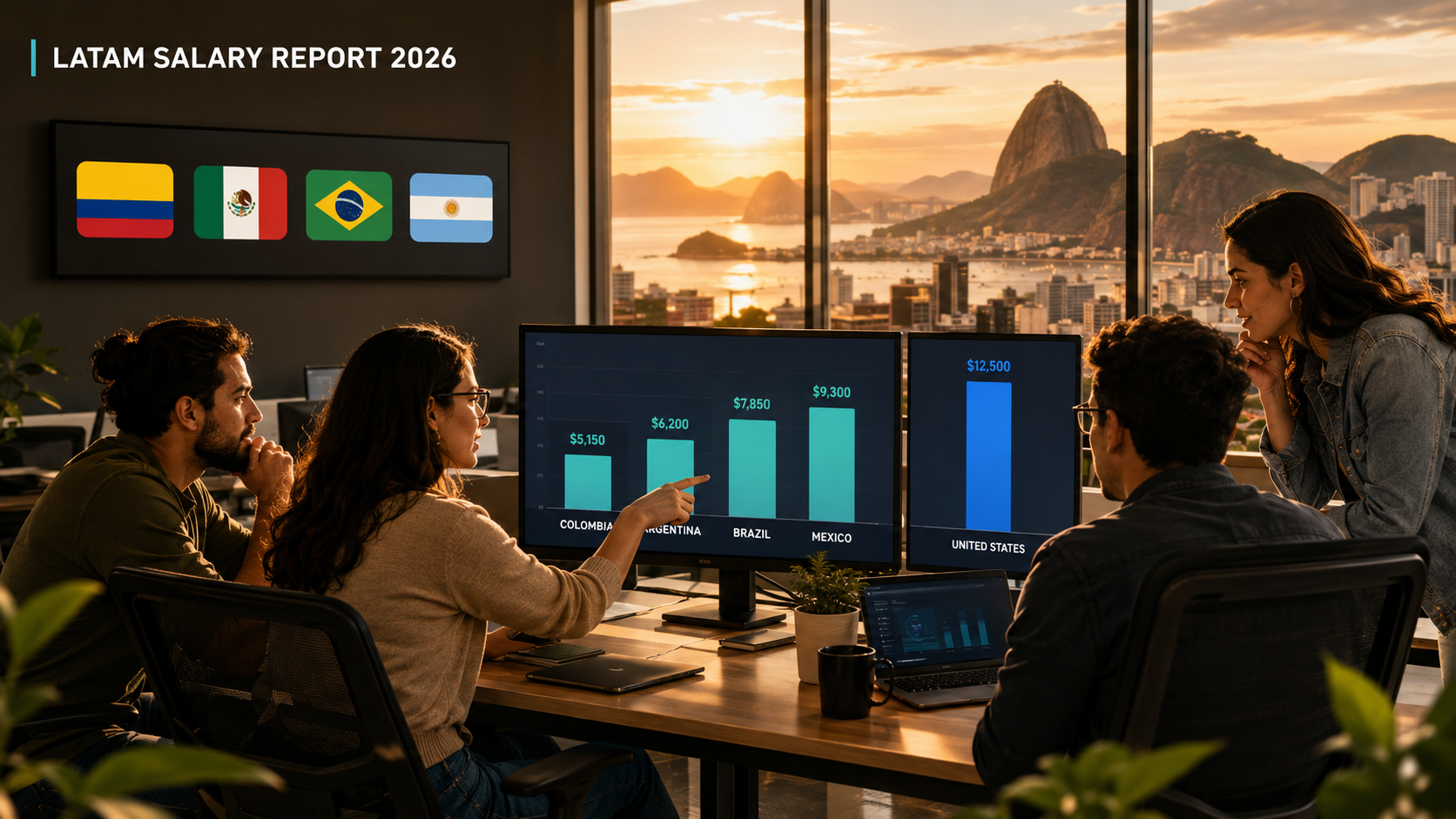
United States: Hiring a mid-level or senior professional in the U.S. comes with a high price tag. Hourly rates typically range from $80 to $150, depending on experience and location. This means a full-time professional can cost anywhere from $13,000 to $24,000 USD per month, making it the most expensive option for growing teams.
Latin America: Countries like Brazil, Mexico, Colombia, and Argentina offer a more budget-friendly option while still providing access to skilled professionals with strong technical backgrounds. Hiring a mid-level worker in Latin America usually costs between $3,500 and $5,000 USD per month, while senior-level professionals typically earn around $5,500 to $7,500 USD per month.
Asia: In countries like India or the Philippines, rates are generally lower, making it an appealing option for companies with tighter budgets. A mid-level hire might cost between $2,500 and $4,000 USD per month, while senior-level professionals are typically in the $4,500 to $6,000 USD per month range.
The competitive cost of hiring in Latin America
When you're asking how much does it cost to hire a data analyst, Latin America consistently stands out as a strategic and cost-effective region. Here's why:
The competitive cost of hiring in Latin America
When you're asking how much does it cost to hire a data analyst, Latin America consistently stands out as a strategic and cost-effective region. Here's why:
Time Zone Compatibility
One of the biggest advantages of hiring talent from Latin America is the time zone alignment with the United States. Depending on the country and season, many Latin American cities are in the same time zone or within one to three hours of major U.S. business hubs.
- Mexico City shares the same time zone as Chicago (CDT, UTC-5).
- Bogota, Colombia is just one hour ahead of New York (EDT, UTC-4).
- Buenos Aires, Argentina is typically only one or two hours ahead of the U.S. East Coast, depending on the season.
Learn more about the top 10 cities for outsourcing in Latin America.
Top Technical Education and Growing Talent Pool
Latin America is rapidly becoming a global tech hub, thanks to a combination of government investment, startup growth, and strong educational infrastructure. Countries like Mexico, Brazil, Argentina, and Colombia host some of the region’s top universities in technology and engineering, such as:
- Universidad Nacional Autónoma de México (UNAM)
- Universidad de Buenos Aires (UBA)
- Universidad de São Paulo (USP)
In addition, many professionals in the region participate in global coding bootcamps, English immersion programs, and international remote work platforms—making them technically proficient and fluent in English.
Cost-Effective Without Compromising Quality
One of the main reasons companies consider hiring in Latin America is the cost-benefit ratio. You get access to well-educated, experienced data analysts at significantly lower rates than in the U.S.—without sacrificing quality.
Here’s a breakdown to help answer the question:How much does it cost to hire a data analyst in Latin America?
Learn more about the Complete Guide to Hiring Latin American Developers.
Hidden Costs to Consider
When calculating how much it costs to hire a data analyst, be sure to factor in some hidden costs. These might not be immediately obvious, but they can add up:
Employee Benefits: Health insurance, retirement contributions, and paid leave are common employee benefits in many countries, especially in the U.S.
Training: If your analysts need to learn specific tools or systems, you might need to budget for training programs or certifications.
Retention: High turnover can be costly. Providing incentives to keep data analysts happy and productive, like career development opportunities or bonuses, can help you avoid frequent hiring.
Why Hire Through Teilur Talent
When hiring a data analyst through Teilur Talent, companies typically pay between $2,500 and $4,000 USD per month, depending on seniority and role complexity. This cost includes the analyst’s full-time compensation along with Teilur Talent’s standardized 20% service fee. Over time, this model has contributed to maintaining a retention rate above 90%, supporting long-term collaboration and continuity for client teams.
What makes our process different
- Teilur Talent incorporates ongoing feedback loops every 15 to 30 days to help identify and address issues early in the engagement.
- The vetting process includes technical assessment as well as evaluation of work-style and value alignment.
- Candidates are recommended according to the company’s short-term or long-term needs, whether for a brief project or a multi-year role.
- Post-hire support also continues, offering development resources that help analysts remain engaged and productive.
Learn more about how Teilur Talent is disrupting the recruiting industry with transparent pricing.
Frequently Asked Questions About Data Analyst Hiring Costs
How Much Does It Cost to Hire a Data Analyst?
The cost of hiring a data analyst depends on their experience level and location. In the U.S., senior analysts can charge between $100 and $150 per hour, while rates in Latin America and Asia are significantly lower, typically between $25 and $50 per hour. Monthly rates range from $3,500 to $18,000, depending on whether you're hiring a mid-level, senior, or consultant-level analyst.
What Is the Average Fee of a Data Analyst?
On average, data analysts charge $25 to $150 per hour, depending on their region and level of expertise. For full-time roles, that translates to approximately $3,500 to $18,000 per month. Rates tend to be lower in Latin America and Asia, offering cost-effective alternatives to U.S.-based hires.
Is Hiring a Data Analyst Worth It?
Absolutely. A skilled data analyst can uncover trends, detect inefficiencies, and provide actionable insights that drive smarter business decisions. Whether you're a startup looking to optimize operations or a large company analyzing customer behavior, a data analyst adds measurable value.
How Much Does a Data Analytics Consultant Cost?
Data analytics consultants typically charge more than full-time hires, due to their specialized focus and short-term engagement. Expect to pay anywhere from $50 to $200 per hour, depending on the consultant’s experience, industry focus, and the complexity of your project.
Should I hire a freelance data analyst or a full-time data analyst?
Whether you should hire a freelance or full-time data analyst depends on your project scope, budget, and long-term goals.
- Freelance analysts are ideal for short-term projects, dashboards, or one-time analyses. They usually charge higher hourly rates but offer flexibility and quick onboarding.
- Full-time analysts are better for ongoing reporting, data infrastructure, predictive modeling, or continuous business intelligence needs. While the monthly cost is higher, they provide consistency, deeper company knowledge, and better long-term ROI.
Conclusion
If you're trying to balance quality, collaboration, and budget, hiring a data analyst from Latin America is a smart move. With strong educational backgrounds, excellent English proficiency, and time zone compatibility that makes real-time communication effortless, LATAM professionals bring tremendous value to U.S. teams—often at less than half the cost of hiring locally.
Whether you're a startup or an enterprise looking to scale efficiently, Latin America offers a unique blend of affordability and expertise that’s hard to match.
Key Takeaways
• LATAM analysts deliver strong technical quality at lower monthly rates.
• Time-zone alignment supports real-time collaboration.
• The region provides a fast-growing, well-educated talent pool.
• Factoring in benefits and retention gives a clearer view of total cost.
Looking to build your remote team in Latin America without hidden fees or inflated markups?
At Teilur Talent, our Transparent Rate Pricing model ensures you know exactly where every dollar goes — with at least 80% of the rate going directly to the talent. This means fair pay, full visibility, and stronger long-term partnerships that drive real growth. We connect you with vetted, English-proficient professionals in tech, marketing and business ops who are ready to scale your operations seamlessly and cost-effectively.
If you’re ready to experience a smarter way to hire, click here to schedule a free consultation with us.