Outsourcing to Latin America has become a strategic move for U.S. and Canadian companies seeking senior talent with time zone alignment. But hiring across borders involves more than recruiting — it requires managing HR operations, payroll execution, labor classification, and legal compliance under multiple regulatory systems. North American companies seeking senior talent with time zone alignment. This makes understanding the nearshore software development company landscape essential for selecting the right strategic partner
Companies searching for partners that “handle HR, payroll, and legal” in LATAM are typically trying to reduce misclassification risk, ensure compliance with international labor standards, and avoid building local legal entities. This necessity is underscored by the fact that Latin American labor reforms in 2026 are significantly increasing employer obligations regarding digital work certificates and trial periods
What It Really Means to Outsource HR, Payroll & Legal in LATAM
When companies say they want a provider to handle HR, payroll, and legal, they usually expect support in:
Drafting compliant employment or contractor agreements
Managing local payroll and tax contributions
Handling statutory benefits and social security payments
Ensuring proper worker classification
Supporting onboarding, offboarding, and HR administration
Ensuring proper worker classification. Improper worker classification in LATAM can trigger financial penalties and legal disputes. Labor misclassification risk has become a major concern for distributed tech teams, especially when organizations must align with global security and compliance frameworks like ISO 27001 or SOC 2 to protect sensitive customer data. Beyond compliance, payroll accuracy directly affects retention.
Provider Models That Handle HR & Compliance in Latin America
Not all providers operate under the same legal structure. There are three dominant models:
1. Employer of Record (EOR)
An EOR legally employs the developer on behalf of the client. The EOR handles payroll, taxes, benefits, and compliance. The client manages day-to-day work. This model is a response to rising payroll complexity across major LATAM markets, where mandatory social contributions and 13th-month salaries can add 30-60% to base costs, depending on the specific jurisdiction (with countries like Brazil and Argentina at the higher end of the scale).
Best for: Companies that want full legal outsourcing without establishing a local entity.
2. Nearshore Embedded Staffing Partner
The provider recruits and legally manages the developer locally while embedding them full-time into the client’s team. Payroll and compliance are handled by the partner. This approach is highly effective for scaling because transparent remote recruiting disrupts traditional agencies by prioritizing long-term alignment and fair compensation.
Best for: Long-term team integration with operational control.
3. Payroll & HR Processing Firms
These providers focus strictly on payroll execution and tax filings. They do not handle recruitment or team integration.
Best for: Companies that already source talent independently.
Country
Mid-Level (3-5 years)
Senior (5-8+ years)
Specialized (AI/ML/Arch)
Brazil
$4,500 - $6,000
$7,500 - $10,500
$11,500+
Mexico
$4,800 - $6,500
$8,000 - $11,000
$12,000+
Colombia
$4,000 - $5,500
$7,000 - $9,500
$10,500+
Argentina
$3,800 - $5,200
$6,500 - $9,000
$10,000+
Feature
Teilur Talent
Deel (EOR Model)
Pricing Structure
Transparent 80/20 Split
Flat Fee / Markups
Talent Visibility
Direct access to salary data
Cost usually bundled
Retention Strategy
Fair-pay & culture-focused
Compliance-focused
Geographic Depth
LATAM Specialists
General Global Coverage
Seniority Level
Monthly Total Cost (USD)
Annual Total Cost (USD)
Experience / Profile
Mid-Level
$4,000 – $6,000
$48,000 – $72,000
3–6 years; Strong English; FinTech or Cloud focus.
Senior
$6,300 – $9,600
$75,600 – $115,200
6+ years; Lead experience; Architecture & Mentorship.
Specialized (AI/ML)
$9,200 – $13,800
$110,400 – $165,600
Experts in LLMs, Data Engineering, or Cybersecurity.
Seniority Level
Monthly Total Cost (USD)
Annual Total Cost (USD)
Experience / Profile
Mid-Level
$3,800 – $5,800
$45,600 – $69,600
3–6 years; Independent; Full-stack or Backend focus.
Senior
$6,200 – $9,500
$74,400 – $114,000
6+ years; Lead experience; Architecture & Mentorship.
Specialized (AI/Cloud)
$9,000 – $13,500
$108,000 – $162,000
Experts in AI Integration, AWS/Azure, or Cybersecurity.
Feature
Nearshore
Offshore
EOR (Employer of Record)
Direct Hire
Time Zone
Same/Overlap (±2 hrs)
Significant Gap (+10 hrs)
Varies by location
Local to HQ
Speed to Hire
1–3 Weeks
2–4 Weeks
2–6 Weeks
2–4 Months
Operational Control
High (Real-time)
Medium (Asynchronous)
Low (Legal focus)
Maximum
Compliance Risk
Managed by Partner
High (Variable)
Zero (Legal Shield)
Internal Responsibility
Cost
Mid-range
Lowest
Moderate (Fees apply)
Highest (Tax + Benefits)
Top Companies That Handle HR, Payroll & Legal in LATAM (Compared)
1. Teilur Talent
Model: Nearshore Embedded Staff Augmentation
Employment Ownership: Managed through local LATAM employment structures
Payroll Handling: Fully administered in local markets
Legal Compliance: Contracts, labor law alignment, and HR support managed end-to-end
Best Fit: Companies prioritizing retention, transparency, and long-term team embedding
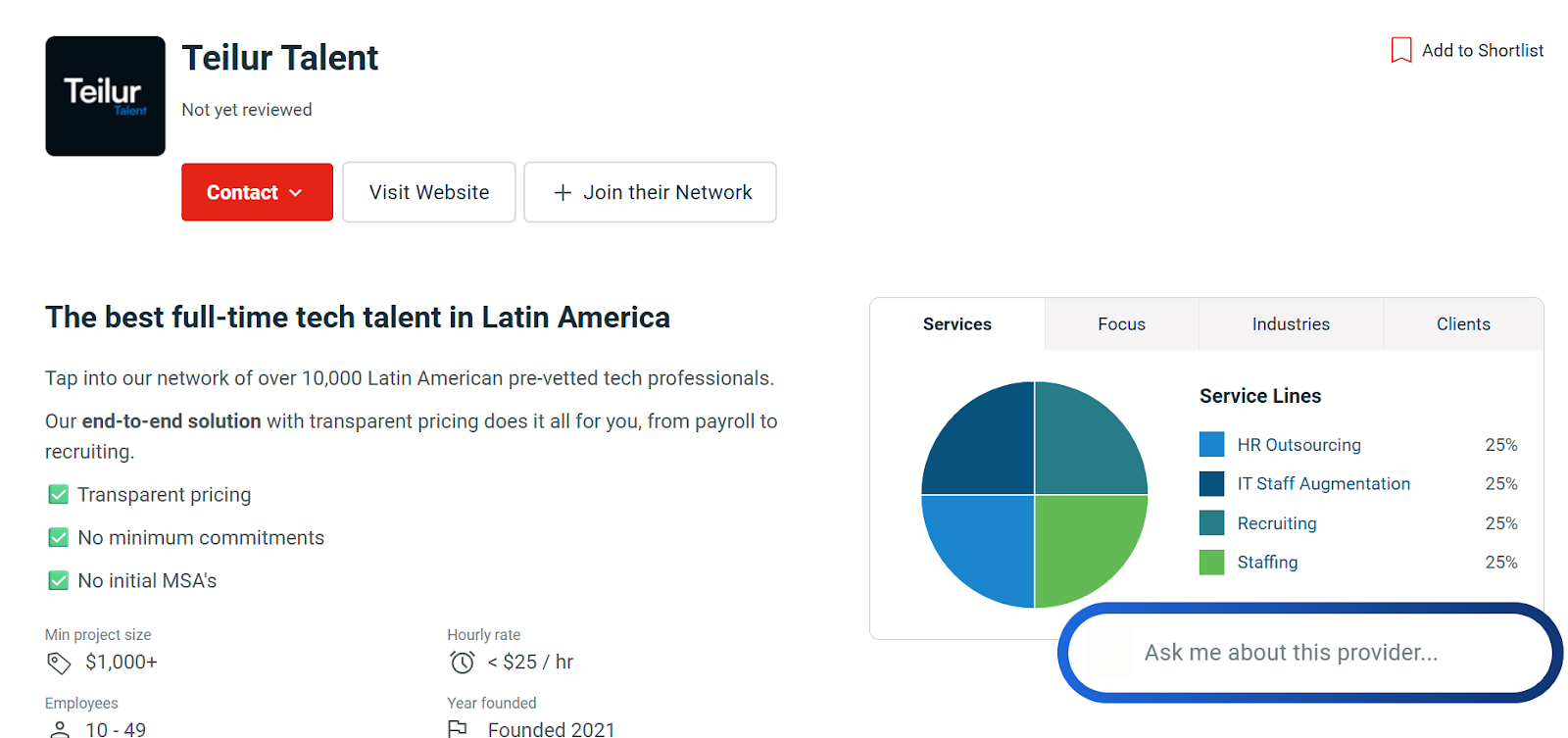
Teilur Talent focuses on building fully embedded senior tech teams in Latin America. Unlike project-based outsourcing models, engineers report directly to the client’s technical leadership.
One of its key differentiators is its Transparent Rate Pricing model, where 80% of the client payment goes directly to the developer. This structure increases retention stability and reduces churn risk — a critical factor for long-term remote team continuity. Choosing the right geography is also key, so we analyze the best countries to hire offshore developers to ensure the best talent-market fit.
Expert Insight: At Teilur, we’ve observed that senior developers in LATAM prioritize compensation transparency over brand name recognition. Transparent structures directly improve retention and long-term team stability.
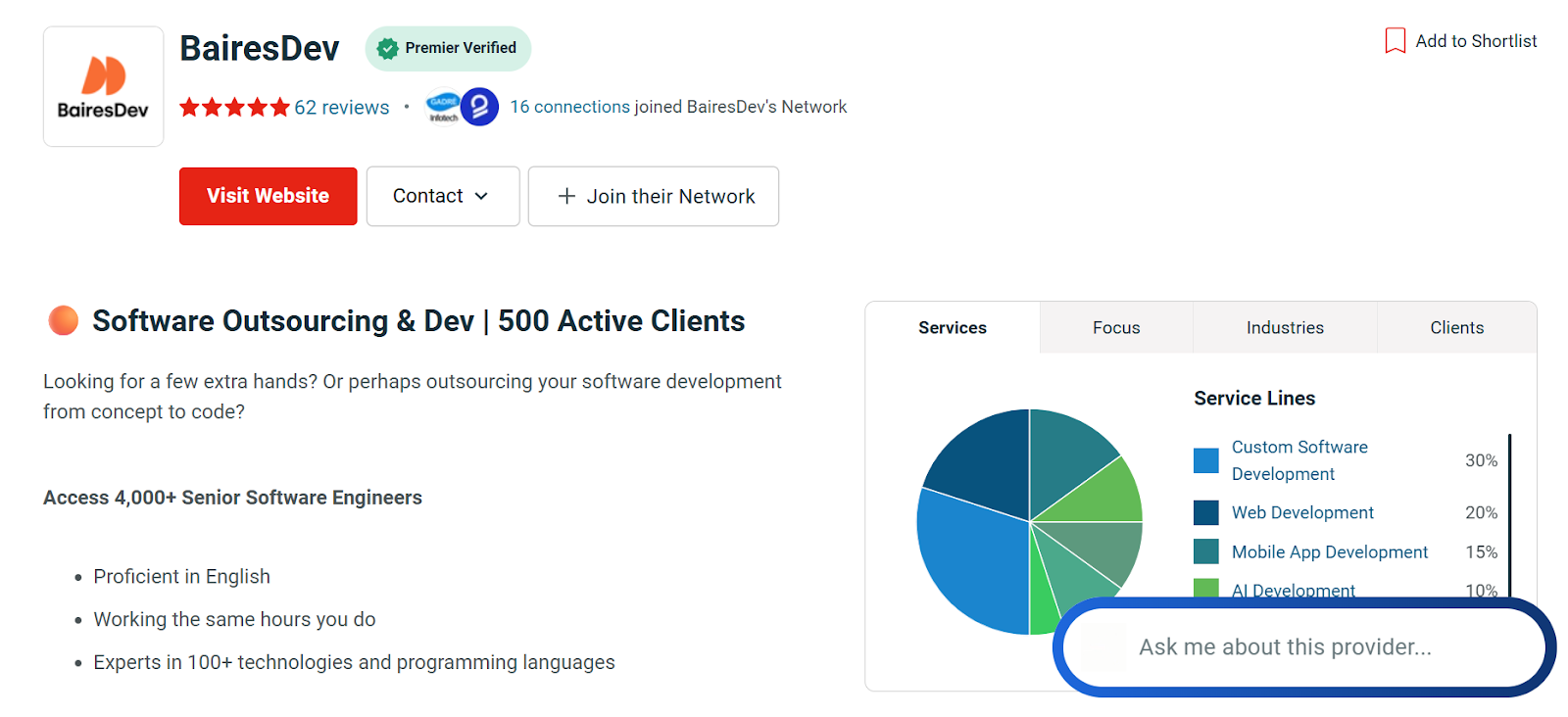
BairesDev operates at scale across multiple LATAM countries and offers enterprise-grade HR and payroll management. It is typically suited for larger organizations with complex delivery needs.
3. Toptal
Model: Global Talent Network Employment Ownership: Varies by contract structure
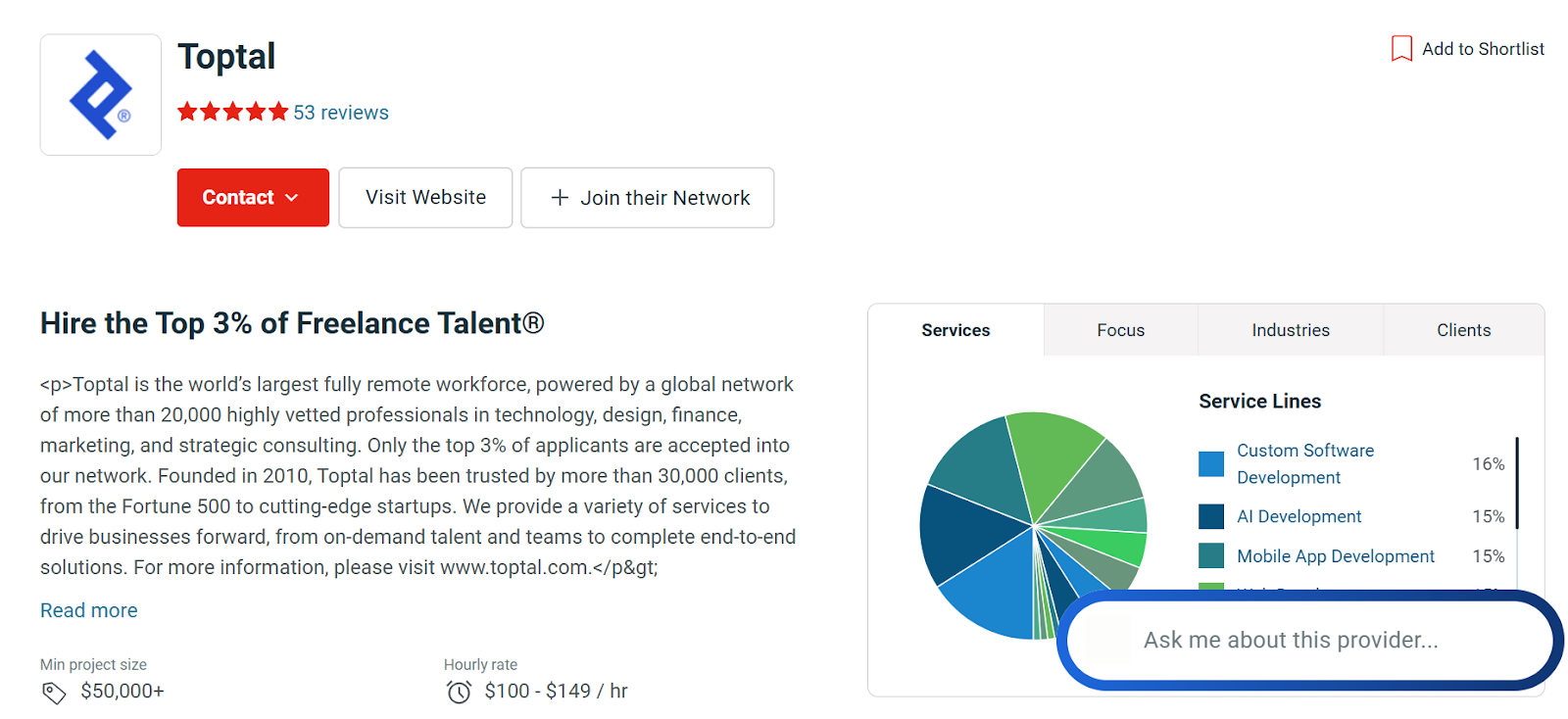
Toptal connects companies with vetted professionals globally. HR and payroll responsibilities vary depending on the engagement structure. It is well suited for short- to mid-term placements but may require additional compliance review depending on country and contract model.
How to Evaluate an HR & Payroll Outsourcing Partner in LATAM
Before selecting a provider, companies should evaluate:
Compliance Ownership: Who is legally responsible for employment? Responsibility must be clearly defined. According to the World Bank's 2026 Digital Economy assessment, establishing trust environments and digital skills is now the cornerstone of successful cross-border service trade.
Worker Classification Risk: How is independent contractor vs employee status managed?
Payroll Reliability: Are salaries paid locally and on time?
Alignment with international labor standards: Does the provider operate under recognized legal frameworks? Ensuring compliance means aligning with evolving labor laws in Argentina and Mexico, where recent telework regulations mandate specific employer obligations for digital disconnection.
Transparency of cost allocation: How is compensation structured?
Retention impact: Does the model incentivize long-term stability?
The most common hidden risk in LATAM outsourcing is unclear compliance ownership. If payroll errors or classification disputes arise, responsibility must be clearly defined.
Seniority
Total Monthly Payment Range
Mid-Level (Tactical Execution)
$5,000 – $7,000
Senior (Strategic Leadership)
$8,500 – $11,500
Specialized (AI/ML/Cybersecurity)
$12,500+
EOR vs. Staff Augmentation: Key Differences
Factor
EOR (Employer of Record)
Staff Augmentation (Teilur)
Talent Sourcing
You provide the candidate. The EOR serves as the legal infrastructure for a hire you've already found.
We provide the candidate. Includes proactive sourcing, technical vetting, and expert matching.
Cost
Salary + platform fees + compliance. Bundled pricing often obscures the developer's actual take-home pay.
Transparent 80/20 model. Full visibility into salaries and statutory benefits. No hidden markups.
Control
Legal employment handled externally. Limited involvement in daily performance or cultural fit.
Full control over selection. Partner supports retention and cultural integration within your team.
Scalability
Best for distributed compliance across multiple jurisdictions.
Superior for building stable, high-retention engineering hubs in Latin America.
EOR vs. Staff Augmentation: Key Differences
Factor
EOR (Employer of Record)
Staff Augmentation (Teilur)
Talent Sourcing
You provide the candidate. The EOR serves as the legal infrastructure for a hire you've already found.
We provide the candidate. Includes proactive sourcing, technical vetting, and expert matching.
Cost
Salary + platform fees + compliance. Bundled pricing often obscures the developer's actual take-home pay.
Transparent 80/20 model. Full visibility into salaries and statutory benefits. No hidden markups.
Control
Legal employment handled externally. Limited involvement in daily performance or cultural fit.
Full control over selection. Partner supports retention and cultural integration within your team.
Scalability
Best for distributed compliance across multiple jurisdictions.
Superior for building stable, high-retention engineering hubs in Latin America.
Outsourcing to Latin America offers access to senior talent, time zone alignment, and operational scalability. However, HR, payroll, and legal compliance determine whether distributed teams remain stable over time.
The best partner is not simply the largest provider — but the one that combines:
Clear compliance ownership
Reliable payroll execution
Transparent pricing structures
Long-term retention alignment
For companies focused on sustainable scaling in LATAM, choosing a structured, transparent nearshore partner often provides stronger operational continuity than opaque marketplace models.
Looking to build your remote team in Latin America without hidden fees or inflated markups?
At Teilur Talent, our Transparent Rate Pricing model ensures you know exactly where every dollar goes — with at least 80% of the rate going directly to the talent. This means fair pay, full visibility, and stronger long-term partnerships that drive real growth. We connect you with vetted, English-proficient professionals in tech, marketing and business ops who are ready to scale your operations seamlessly and cost-effectively.
Global freelance marketplace connecting clients with vetted professionals in software, design, and finance.
LATAM-focused recruitment company connecting businesses with full-time remote developers and tech professionals.
Selectivity Claim
Claims to accept less than 3% of applicants, based on its internal screening process.
Works only with pre-vetted, bilingual professionals in LATAM, selected for technical and communication skills.
Recruitment Process
Multi-stage: timed skills test → English interview → real-world project → live screen evaluation.
Direct evaluation of experience, portfolio, and communication ability. Matches candidates by vertical (QA, Software, Cybersecurity, Data & BI) and company culture.
Trial or Test Period
Offers a two-week trial, refundable if client isn’t satisfied.
No fixed trial period — focuses on long-term retention and transparent onboarding.
Contract Type
Typically weekly contracts (20 or 40 hours) with limited flexibility for short-term projects.
Flexible monthly agreements, allowing scalability per project scope and company needs.
Transparency
Pricing details not publicly disclosed. Clients see a blended hourly rate including Toptal’s markup.
Fully transparent pricing model. Clients see how much goes to the developer and how much is Teilur’s service fee.
Commission / Markup
Estimated around 40–50%, based on user reports and external reviews.
Capped at 20%. At least 80% of client payment goes directly to the developer.
Initial Deposit
Requires a $500 refundable deposit to start the search process.
No upfront deposit required.
Client Support
Account managers available during hiring and engagement. Support quality varies by project.
Personalized support from start to finish, ensuring alignment for both client and talent.
Developer Pay Transparency
Developers are contractually restricted from disclosing their actual pay rates.
Developers know their full compensation and see transparent rate breakdowns.
Geographic Focus
Global, with talent from Eastern Europe, Asia, and LATAM.
Exclusive to Latin America, optimizing time-zone alignment and cultural fit.
Turnover Rate
Not publicly disclosed.
Reported below 15%, reflecting strong retention and satisfaction.
Best For
Large enterprises or teams needing globally distributed freelance specialists.
U.S. and international companies seeking transparent, long-term partnerships with vetted LATAM developers.
The middle point of all salaries, indicating the typical earnings.
Min:
$
0
This is the lower bound of remuneration we see talent getting for a specific role.
Max:
$
0
Highest salaries we see but varies based on years of experience.
Teilur Talent featured in...
"Argentina offers highly competitive labor costs compared to other nearshoring destinations. With a strong focus on software and IT services, Argentina's tech talent pool is growing, and the country is already a resource for tech giants like Google."
Teilur Talent featured in...
"Brazil offers an attractive combination of cost-effectiveness and high-quality talent. With reportedly more than 500,000 software developers and an impressive annual growth rate, Brazil boasts the largest tech talent pool in LATAM."
Teilur Talent featured in...
"Teilur Talent recognized as the top IT Recruiting & Staffing firm in Latin America, Teilur Talent has made valuable contributions towards making the IT workspace more efficient and streamlined."
Teilur Talent featured in...
"Teilur Talent is the world’s first talent development network connecting U.S. tech startups and remote developers from Latin America!"
At Teilur, Inc, we are committed to accuracy and fairness in all our content. Our discussions and comparisons, particularly those concerning other businesses in the recruitment industry, are grounded in the best interpretations made by our dedicated staff, based on publicly available information. We hold a deep respect for the unique qualities of each organization within our field and strive to offer valuable insights rooted in our core beliefs about the recruitment industry's workings. If you encounter any factual inaccuracies in our content, we encourage you to reach out to us at content-research@teilurtalent.com with the specific URL in question. Your feedback is invaluable, and we are committed to reviewing and addressing your concerns.
Got questions? We've got answers.
1
How is Teilur Talent different from other tech recruiting companies in LATAM?
At Teilur Talent, we take a mission-focused approach to recruiting, ensuring that our candidates are aligned with your company's vision and goals. Unlike other tech recruiting companies in LATAM, who may focus solely on technical skills, we prioritize the cultural fit and dedication of our team members to your company. For this reason, we do not support project contractor or freelancer roles. Instead, we focus on fully devoted team members who will help you achieve long-term success.
2
How does Teilur Talent attract and retain the best talent compared to other companies?
At Teilur Talent, we offer our candidates competitive salaries that are 2x to 3x higher than what tech companies would pay locally. This allows us to attract top talent and retain highly motivated and loyal team members. Additionally, we focus on finding candidates whose values align with the purpose, vision, and mission of our clients. This approach ensures that our engineers and tech talent are not just coding and completing task rather, they become part of a greater purpose, which gives them meaning and helps us attract and retain the best talent.
3
What are the typical tech roles that Teilur Talent recruits for?
At Teilur Talent, we specialize in recruiting for a wide range of tech roles that are typically in high demand. These include positions such as DevOps engineers, AI Developers, QA analysts and engineers, back-end and front-end developers, data scientists, product managers, business developers, and technical sales positions. Essentially, we recruit for most roles that are needed in B2B and B2C tech-focused businesses.
4
What are Teilur Talent's fees and pricing structure?
At Teilur Talent, we believe in transparency. We charge a flat rate fee of 20% of what the client pays. This way, our clients know exactly what they are paying for and how much the candidate gets. As an example: If a client hires a software engineer for $60,000 per year ($5,000 per month), Teilur's monthly fee would be $1,000 (20% of $5,000). We don't believe in hidden fees or unwanted surprises, so we disclose all costs upfront to both candidates hired and companies. When exploring other alternatives, make sure they are transparent about their pricing. We believe this is paramount for the benefit of all parties involved in this new era of remote work.
5
What is the candidate screening process at Teilur Talent, and how do you ensure a good fit for my company?
At Teilur Talent, we take candidate screening very seriously. We use a multi-layered approach to find the best candidates for our clients, starting with screening thousands of candidates from our internal and proprietary networks. We leverage AI technology to assess whether a candidate matches the technical skills required for a given job opening. We also perform additional personal evaluations to ensure that the candidate has the soft skills, culture fit, and English language skills required to excel in their new role. Our rigorous screening process ensures that only the best candidates make it through to our clients, saving them time and helping them find the best talent for their teams.